
The topic of AI use can feel a huge, often daunting, and constantly changing landscape to navigate. What does a policy on responsible use of AI look like? What are the key ethical concerns? Where – if at all – can the use of AI for organisations in our sector deliver game-changing efficiency and at what cost?
Grappling with these questions ourselves at the Food Ethics Council, it occurred to us that other organisations might well be doing the same, and that this might be a worthwhile conversation to hold collectively, as well as individually. We also recognised the potential value that working ‘in the open’ to develop an organisational policy around AI use might bring, and the benefits of providing a trusted space to share experiences, questions, and approaches at a time of limited capacity and gaps in knowledge, both potential and perceived.
That’s why we extended an invitation to fellow UK civil society organisations involved in food systems work to join a dedicated online workshop on Tuesday 9th June 2026, featuring an expert plenary from Tom Watson of The Good Ship. We were delighted that over 20 participants across 15 organisations joined Tom and our team for the 90 minute session, the majority of whom were already in the process of creating a policy around AI use and who brought with them plenty of questions.
“If your policy were a food label, would you buy it?”
This question from Tom himself aptly set the tone for an expert plenary that provided plenty of food for thought, drawing upon important parallels with food systems work.
“Food citizenship says people are participants in the whole system, not just the last link. Bring that same instinct to AI: don’t receive it as a finished product, shape it, question it, help build it.”
Tom Watson, The Good Ship
Tom pointed to the likes of Caddy, developed as a secure AI scribe by Citizens Advice, as an example of tools that ‘give the hours back’ – assisting with the meeting notes, grant reports, funder spreadsheets, tasks that arguably drain time that could be better spent. He highlighted how tools such as Open Recommendations help the social purpose sector to upload, analyse and track reports, serving to surface data and analysis that would otherwise remain hidden, offering benefits from both efficiency and ethical perspectives. Recognising that those most affected by food system changes are often least resourced to engage with this, Tom also encouraged us to consider how AI might help with translating often dense, jargon-heavy topics into plain-language read-aloud resources.
There are of course potential pitfalls. How can we ensure that humans are in the lead, setting the direction for the AI tools they choose to use, not simply passively using and responding to them? Tom cautioned us against the urge to move too quickly and risk breaking trust within teams and across communities, reminding us that FOMO is not a strategy and efficiency can also be a trap. We also touched briefly on the dangers posed by shadow AI, the tools that people use unofficially, off the radar, which are essentially unseen, unassessed and ungoverned.
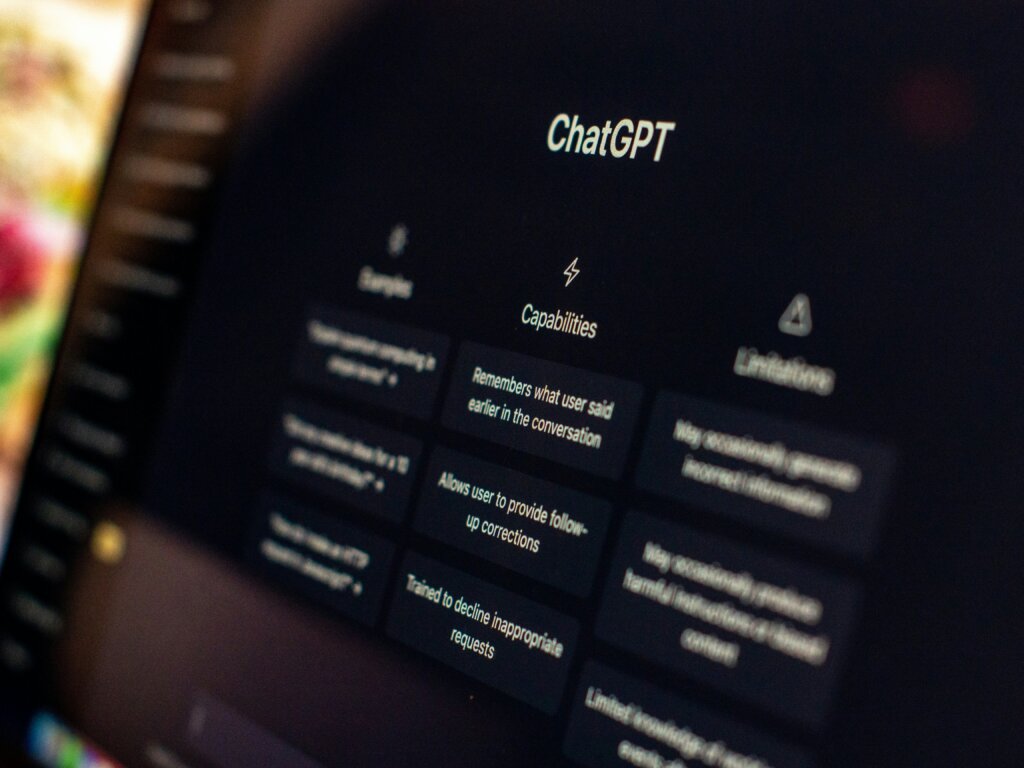
From the break-out group discussions that followed, it was clear that there is both considerable concern around the use and impact of AI as regards consent, trust and transparency, and a real desire to ensure that we equip ourselves with the knowledge and resources to appropriately and responsibly manage these.
Some of the key issues flagged included:
So where to start in terms of policy development, bearing in mind that, even if organisations choose not to use AI, they will still be affected by it? According to Tom, it is important to begin with a values-based approach, move at the pace of trust, and maintain full disclosure and transparency along the way. He introduced his self-built tool Bearing and the work of thinktank TechFreedom as useful resources for assessing the ethical credentials and suitability of AI models, as well as encouraging us to keep sharing our own journeys with each other as we navigate AI within and outside of our organisations.
Keeping that in mind, as part of our pledge to work ‘in the open’ in developing an AI policy, here at the Food Ethics Council we’ll be sharing our own draft policy in the coming weeks and inviting feedback and contributions from others across the sector. Whether or not other organisations wish to borrow or adapt it, our hope is that it will form part of a shared journey to learn in the open together, building capacity and knowledge across the sector, and mitigating the risk of us wrestling with this in our organisational silos. This was something very much echoed in feedback from the workshop, as below.
“We have to work together! We all have similar concerns and experiences – we should develop a shared approach to policy that we can all build on rather than going it alone.”
“We can have more agency over using AI ethically if we act collectively.”
“I like the idea of some commonalities in our developing policies based on our values that chime with our agroecological / regenerative approaches.”
“It has really helped to clarify that I’m not on my own in feeling cautious about sharing the level of use, and has given plenty to feed back to the rest of the team as we think about how to develop policy.”
Our thanks go to all who attended the initial workshop, with extra special thanks to Tom Watson who has kindly shared his materials and links to further resources here. Rest assured that the conversations are far from over, so please do stay tuned via our mailing list and LinkedIn for more opportunities to delve into the ethics of AI use together soon.
Photos by Jason Leung on Unsplash and Emiliano Vittoriosi on Unsplash.