
The Food Ethics Council welcomes Professor Elliott’s interim report into the integrity and assurance of food supply networks.

The September 2013 Business Forum heard from Professor Stephanie Barrientos of Manchester University about a major new report 'Capturing the Gains'.

The Food Ethics Council welcomes today's research published by Which? showing that rising food prices are a source of stress for hard-pressed UK consumers.
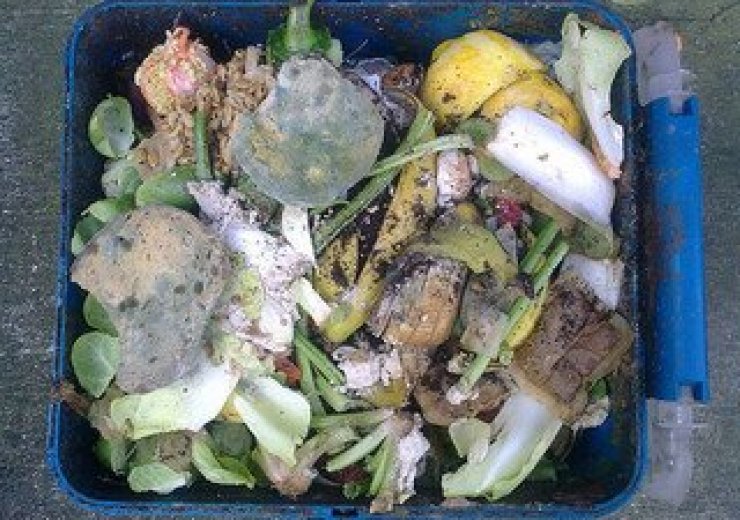
The Food Ethics Council welcomes the FAO’s new report on the environmental impact of food waste, Food wastage footprint: Impacts on natural resources.

The July 2013 meeting of the Food Ethics Council’s Business Forum discussed how food ethics could be placed at the heart of political parties' manifestoes.

The age composition of the world’s population is changing, not least in the UK.
The Food Ethics Council recently gave written evidence to the House of Commons International Development Select Committee.
The March 2013 meeting of the Food Ethics Council’s Business Forum discussed different perspectives on food security.
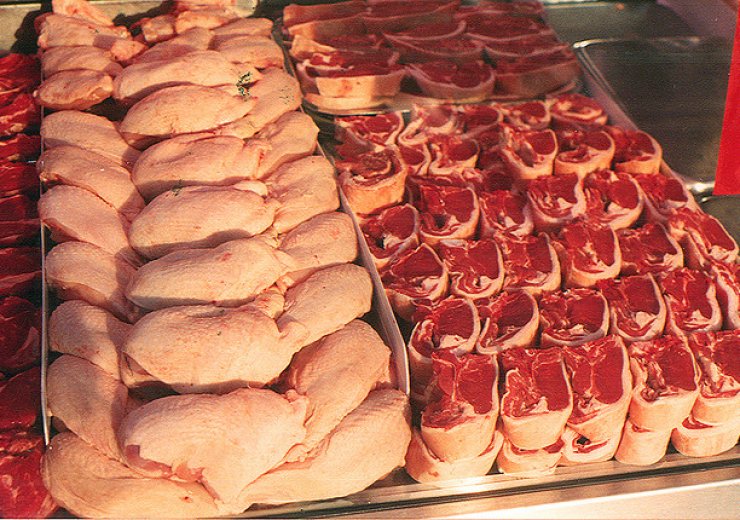
A new report published today [4th February 2013] by WWF-UK and the Food Ethics Council [1] examines whether reducing meat consumption, and instead placing greater value on the meat we consume, could potentially be beneficial for people’s health, the environment, and for producers and consumers.
